Showing posts with label Look Younger. Show all posts

Monday, 26 June 2017

How To Reduce Water Retention, Backed By Science

Podobny obrazAlthough you may see lots of fad diets and supplements online, there are only a few ways to reduce water retention naturally, backed by science.
Often, especially when attempting to lose weight, water retention can result in the perception that weight loss is not occurring and make you look bloated, hiding your hard work!
Additionally, water retention can cause discomfort and dissatisfaction with how your body looks and feels, along with digestive issues and stomach ache.
In this article, I’ll describe some scientific techniques you can use to help reduce water retention and allow you to look and feel great, along with looking about 4 weeks leaner in just a few days!

Drink More Water To Reduce Water Retention

Interestingly, one of the best things you can do to reduce water retention is to actually drink more water – sounds odd, right?
Well, the human body is amazing and can adapt to just about any situation. Being dehydrated is no different.
When you restrict the amount of water you are consuming, a hormone called antidiuretic hormone is released from the pituitary gland in response to the amount of water available in the body (1).
When hydration levels are low, this hormone is released, reducing the amount of water that is excreted through urine, making it very concentrated with sodium and other waste products. This actually causes bloating!
When you ensure that you are hydrated, this hormone is restricted from being released, in order to excrete more water which is less concentrated, so you therefore retain less water.
In short, the body needs to maintain a balance of water and sodium; when one is higher in the body than the other, more of it needs to be removed from the body to maintain this balance.
Additionally, when hydration levels are low, the body can react by retaining the water you do happen to consume, in an attempt to balance this ratio. By ensuring that you consume enough water throughout the day, you can optimize this balance between sodium and water and reduce water retention.

Eat Less Salt to Reduce Water Retention

Despite the fact that sodium is essential for survival, having too much of it in your diet can create an imbalance, causing water retention.
As mentioned in the last section, having far too much salt in your diet can offset the balance between sodium and water.
When salt levels in the body rise, antidiuretic hormone is released in order to excrete less water yet more sodium. In doing so, the body will retain water in order to fix the imbalance (1).
Unsurprisingly, multiple studies have indicated that when sodium intake is increased, water retention begins to rise which can lead to unsightly bloat and discomfort (2, 3, 4).
In order to avoid water retention as a result of overconsumption of salt, monitor your intake and attempt to avoid heavily processed foods, which may have high amounts of sodium. As sodium and water work together and maintain a healthy balance, if you consume more sodium you should naturally consume more water to maintain an equilibrium.

Use a Natural Diuretic to Reduce Water Retention

Fortunately, when water retention gets too high, you can turn to natural supplements that have been scientifically shown to have diuretic properties.
Dandelion seems to be one of the most promising supplements for acting as a diuretic. In fact, one study indicated that when subjects ingested a supplement containing dandelion, frequency of urination increased significantly in relation to a placebo group (5).
Astragalus is a traditional Chinese medicine that has been used for years due to its natural diuretic properties.
One study showed that supplementing with Astragalus might, in fact, increase frequency of urination. Additionally, another revealed that supplementation of the herb may aid kidney function (6).
Lastly, caffeine and a popular testosterone-boosting supplement called Tribulus may also have diuretic properties to reduce water retention. A study on the supplement revealed that, when taken regularly, subjects increased the volume of water being excreted through urine, indicating a potential flushing effect of excess water aiding the issue of water retention (7).
Based on the evidence, use of these supplements might promote a diuretic effect, allowing you to excrete excess water and reduce water retention naturally.

Try Restricting Carbs to Reduce Water Retention

Did you know that carbohydrates increase the amount of water stored in your body?
When you consume carbohydrates, they are broken down into something called glucose, which is basically sugar in your blood. When blood glucose rises, it has a couple of different potential fates.
Firstly, this glucose can be immediately used for energy. Alternatively, this glucose can be stored in the muscle in a form called glycogen.
Interestingly, when glucose is transported into the muscle and stored as glycogen, this glycogen also brings water with it.
In fact, one study revealed that for every gram of glycogen stored, roughly 3 grams of water were stored in the muscle with it. If you’re consuming a large amount of carbs, that can equate to a large amount of water being stored (8).
It must, however, be noted that storing glycogen in the muscle along with water is not necessarily a bad thing. Having glycogen and water allows for a usable energy source along with proper hydration, but this can often lead to unsightly bloat and discomfort.
If other methods of dropping water retention fail to help, slightly restricting carbohydrates may help reduce the amount of water that your body is hanging on to.Podobny obraz

How To Eliminate Water Retention Naturally

Water retention, while sometimes necessary, can often lead to discomfort and hide your hard work in the kitchen and gym!
Luckily there are a few techniques you can use to reduce the amount of water your body is retaining, as discussed above.
When water intake is low and sodium levels are high, antidiuretic hormone is released, which can cause retention of water to help balance out hydration and sodium levels in the body. Ensuring adequate water intake can help avoid the resultant water retention.
And lastly, using natural diuretic supplements such as dandelion or hibiscus and then restricting carbohydrate intake may be the best combination for you to reduce the amount of water your body is retaining.

References

  1. Fressinaud, P., Rohmer, V., Galland, F., Marcais, J., Bigorne, J. C., & Fressinaud, L. (1979, December). Effects of low, normal and high sodium diet on antidiuretic hormone and prolactin (author’s transl). In Annales d’endocrinologie (Vol. 41, No. 1, pp. 63-64).
  2. Kojima, S., Inoue, I., Hirata, Y., Saito, F., Yoshida, K., Abe, H., … & Yokouchi, M. (1987). Effects of changes in dietary sodium intake and saline infusion on plasma atrial natriuretic peptide in hypertensive patients. Clinical and Experimental Hypertension. Part A: Theory and Practice, 9(7), 1243-1258.
  3. Luft, F. C., Rankin, L. I., Bloch, R., Willis, L. R., Fineberq, N. S., & Weinberger, M. H. (1983). The effects of rapid saline infusion on sodium excretion, renal function, and blood pressure at different sodium intakes in man. American Journal of Kidney Diseases, 2(4), 464-470.
  4. Sagnella, G. A., Markandu, N. D., Buckley, M. G., Miller, M. A., Singer, D. R., & MacGregor, G. A. (1989). Hormonal responses to gradual changes in dietary sodium intake in humans. American Journal of Physiology-Regulatory, Integrative and Comparative Physiology, 256(6), R1171-R1175.
  5. Clare, B. A., Conroy, R. S., & Spelman, K. (2009). The diuretic effect in human subjects of an extract of Taraxacum officinale folium over a single day. The Journal of Alternative and Complementary Medicine, 15(8), 929-934.
  6. Ai, P., Yong, G., Dingkun, G., Qiuyu, Z., Kaiyuan, Z., & Shanyan, L. (2008). Aqueous extract of Astragali Radix induces human natriuresis through enhancement of renal response to atrial natriuretic peptide. Journal of ethnopharmacology, 116(3), 413-421.
  7. Murthy, A. R., Dubey, S. D., & Tripathi, K. (2000). Anti-hypertensive effect of Gokshura (Tribulus terrestris Linn.)-A clinical study. Ancient science of life, 19(3-4), 139.
  8. Fernández-Elías, V. E., Ortega, J. F., Nelson, R. K., & Mora-Rodriguez, R. (2015). Relationship between muscle water and glycogen recovery after prolonged exercise in the heat in humans. European journal of applied physiology, 115(9), 1919-1926.
https://www.rudymawer.com/blog/reduce-water-retention-backed-science/

Friday, 16 June 2017

How Can Massage Help My Health and Wellbeing?

Generally, people use massage for either general relaxation and wellbeing, or to address a specific complaint, such as pain or limited range of motion. Research suggests massage therapy may contribute to both goals. 
Some of the general benefits of massage therapy may include:
  • Physical relaxation
  • Improved circulation, which nourishes cells and improves waste elimination
  • Relief for tight muscles (knots) and other aches and pains
  • Release of nerve compression (carpel tunnel, sciatica)
  • Greater flexibility and range of motion
  • Enhanced energy and vitality
  • Some clinical styles may help heal scar tissue as well as tendon, ligament, and muscle tears
Podobny obraz

What specific conditions can massage therapy help?


Massage therapy may help the body in many ways.  Massage can relax muscle tissue, which may lead to decreased nerve compression, increased joint space, and range of motion. This may lead to reduced pain and improved function. 
Massage therapy may also improve circulation, which enhances the delivery of oxygen and nutrients to muscle cells and helps remove waste products. These circulatory effects of massage may have value in the treatment of some inflammatory conditions, such as arthritis or edema (an excessive accumulation of fluid in body tissues, which may be reduced using manual lymph drainage). 
Massage therapy is also thought to induce a relaxation response, which lowers the heart rate, respiratory rate, and blood pressure; boosts the immune system; and generally decreases the physical effects of stress.
These effects suggest that massage may be helpful for a wide range of conditions.  Some of these are listed below.
  • Carpal tunnel
  • Sciatica
  • Tension headaches
  • Whiplash
  • Scoliosis
  • Torticollis
  • Tendon and muscle tears
  • Thoracic outlet syndrome
  • Varicose veins
  • Pregnancy-related back pain and other discomfort 
  • Myofascial pain
  • Sore or overused muscles (prevents and treats) 
  • Muscle injury (offers rehabilitation)
  • Gout
  • Rheumatoid arthritis
  • Osteoarthritis
  • Muscular dystrophies
  • Raynaud's Disease
  • Diabetes
  • Hypertension and congestive heart failure
  • Reduces risk of chronic diseases, such as heart disease, diabetes, autoimmune diseases
  • Improved mood
  • Reduced anxiety
  • Lower stress levels
  • Lessening of depression
  • Reduced anger and aggression
  • Improved sleep patterns and decreased sleep disturbance 
  • Reduced fatigue
  • Enhances immune system
  • Improves athletic performance and enhances recovery
Znalezione obrazy dla zapytania massage

https://www.takingcharge.csh.umn.edu/explore-healing-practices/massage-therapy/how-can-massage-help-my-health-and-wellbeing


Thursday, 15 June 2017

Perfect Posture

Forget Perfect Posture: It Doesn’t Exist

In this five minute video, Dr. Greg Lehman challenge common beliefs and correct myths about biomechanics and posture using current research.


Most of us know what the ideal posture looks like: a nice, neutral spine and neck and no tilt in either direction in the pelvis.
But the real question is: Does this posture really exist in the real world?
Is it possible that we focus too much on its role in healthy movement and pain? Check out this video and find out.


https://www.theptdc.com/2017/04/no-perfect-posture/

Sunday, 12 March 2017

12 Healthy Foods That Fill You Up Best

12 Healthy Foods That Fill You Up Best
We all know the feeling of eating too much food, of being not just full but stuffed, and yet not feeling satisfied.
When we eat, sensors in our mouth, stomach and intestines assess the volume and chemical composition of what we’ve taken in, says Stephan J. Guyenet, PhD, author of “The Hungry Brain; Outsmarting the Instincts that Make Us Overeat.” Those sensors send that information to our brain stem, which then sets our level of fullness, or satiety. Once this feeling builds, our brain decides we’ve had enough food.
The question is, which foods flip that switch?
In 1995, a University of Sydney study found that high-fiber, high-water and high-protein foods were the most filling. It’s all the stuff we know is good for us: fresh fruits and vegetables; chicken and seafood; whole grains, beans and lentils; eggs and yogurt.
“Simple, whole foods similar to what our ancestors would have eaten provide a higher level of satiety per calorie, and may encourage a slimmer body with less effort,” Guyenet says.
Dr. Donald Hensrud, medical director of the Mayo Clinic Healthy Living Program and medical editor-in-chief of “The Mayo Clinic Diet,” agrees. “Numerous studies have demonstrated that when people eat foods high in water and fiber and low in fat and processed carbohydrates, they can achieve satiety at a lower calorie intake (but the same weight of food consumed) and, therefore, better manage weight.”
“The most filling foods contain protein, which is slowly digested, so it sticks to your ribs; and fiber, which expands like a sponge in the gut to keep you full,” explains Karen Ansel, MS, RDN, and author of “Healing Superfoods for Anti-Aging: Stay Younger, Live Longer.” “While most fiber-containing foods, such as fruits, vegetables, beans and whole grains, are naturally low in calories, protein is a different story. Be sure to stick with the leanest sources.”
Seek out these 12 nourishing basics to get your healthy fill:

1. Beans

Rich in protein and fiber, beans fill you up and are easy on the wallet. Add them to salads, use them to displace some of the noodles in a pasta dish or plop them into soup to add staying power.

2. Broccoli & Other Cruciferous Vegetables

“I love broccoli because it contains the highest amount of glucoraphanin, which supports your body’s own detoxification system, and has very few calories,” says Ashley Koff, RD, founder of Ashley Koff Approved and The Better Nutrition Membership. “I feel the same way about cauliflower. Try frozen cauliflower to thicken smoothies.”Znalezione obrazy dla zapytania broccoli

3. Canned Tuna

“Canned tuna is one of the most underrated foods out there,” says Ansel. “A five-ounce can give you 28 grams of protein, for only 122 calories. Plus, it’s a good source of omega-3 fats, which are key for heart and brain health.”

4. Chia Seeds

“Chia seeds are rich in slowly digested protein and fiber, nutrients that work together to keep you full for hours,” says Ansel. She recommends swirling one tablespoon of the seeds into iced tea or juice to transform them into filling snacks.

Podobny obraz

5. Chicken

“Lean proteins, like chicken, aid in satiety by affecting the hormones that control hunger and how quickly food empties from our stomachs,” says Keri Glassman, MS, RD. “Chicken also has the highest thermal effect of food, meaning it burns the most calories during digestion, versus carbs and fat.”

6. Eggs

“Eggs are a quick, easy source of protein, and they’re a lot lower in fat than you might think,” says Ansel. “One large egg gives you six grams of protein, with less than five grams of fat and only 1.5 grams of saturated fat.”

7. Greek Yogurt or Skyr (Icelandic Yogurt)

Packed with protein and calcium (Ansel says calcium is believed to help with fat burning), yogurt goes with everything from oatmeal (see below) and fresh berries to natural nut butters. Greek and Icelandic-style yogurt has even more protein than the regular kind.

8. Oatmeal

“Oatmeal contains a soluble fiber called beta-glucan,” says Glassman. “This slow-digesting fiber will keep you fuller for longer, preventing overeating, while it also may improve blood cholesterol and overall heart health.”

9. Nuts & Nut Butters

“Nuts and nut butters are satiating due to their protein and fiber,” says Jackie Newgent, RDN, author of “The All-Natural Diabetes Cookbook.” “Plus, they can provide satisfying crunch, creamy texture, and rich flavor!” Glassman suggests adding a small amount of natural peanut butter to oatmeal to deliver healthy fats and “give your sweet tooth a fix.”

Podobny obraz

10. Potatoes

Topping the charts for satiety in the 1995 study by a wide margin was… the humble spud. “Keep in mind that [study participants] ate it plain, without burying it in butter, cheese and bacon bits,” says Guyenet.

11. Quinoa

“Quinoa supplies both protein and fiber,” says Ansel. “And, unlike most other grains, it delivers complete protein.” Use in place of rice or pasta for better filling power.Podobny obraz

12. Ricotta or Cottage Cheese

“A quarter cup of either provides a whopping 7 grams of protein,” Ansel says. “Try instead of cream cheese on a whole-wheat English muffin or bagel.”Podobny obraz
http://blog.myfitnesspal.com/12-healthy-foods-fill-best/

Wednesday, 15 February 2017

What Nutritionists Eat When They Want to Slim Down


What Nutritionists Eat When They Want to Slim Down
After an indulgent vacay or even a few too many dinners out, your body’s probably craving a diet cleanup. Nutritionists go through this cycle, too—but the good thing is, we have training and knowledge that’s taught us how to slim back down in a healthy way. So I’ve asked some of my favorite registered dietitians to share what changes they make when they’re on a mission to slim down
After an indulgent vacay or even a few too many dinners out, your body’s probably craving a diet cleanup. Nutritionists go through this cycle, too—but the good thing is, we have training and knowledge that’s taught us how to slim back down in a healthy way. So I’ve asked some of my favorite registered dietitians to share what changes they make when they’re on a mission to slim down.

Podobny obraz

“I make sure to add adequate protein to meals—about 30g—especially at breakfast. People do not get enough protein at breakfast. Eggs are getting a reprise, and they are wonderful mixed with dark green and red veggies topped with fresh mozzarella cheese. Add a side of mixed berries and you have an amazing breakfast. In fact, a recent study suggests that adequate protein in the morning helps tame appetite throughout the day.”
—Angela Lemond, Registered Dietitian Nutritionist and spokesperson for the Academy of Nutrition and Dietetics

“When I’m not feeling my best it’s usually because I haven’t gotten enough sleep. I add in a bedtime snack of dried tart cherries and walnuts, which have melatonin to help me get shut eye and keep my hunger hormones in line.”
—Rebecca Scritchfield, MA, RDN
Podobny obraz


“I lean on nuts, tomato juice, popcorn and tea. I top my Greek yogurt with fruit and nuts at breakfast, eat salads at lunch, snack on popcorn and tomato juice and rely on tea instead of dessert. My only splurge is a glass of wine at dinner.”
—Kathleen Zelman, WebMD Director of Nutrition

“I make a hearty Tuscan white bean soup that’s chock full of baby greens (like kale or spinach) and some diced vegan sausage…I love this soup because it’s packed with satisfying protein, rich in plant based nutrition (fiber, folate and antioxidants), and soup is a fantastic comfort food that lets you feel full longer on fewer calories.”
—Kate Geagan, MS, RDN, author of Go Green. Get Lean.

Podobny obraz

“I swap out any treats (frozen yogurt, for instance) with fruit and prepare my food very simply—herbs and spices for flavor versus sauces and mixed dishes. I also cut down on bread, crackers and other similar carbohydrates, because those are the foods I am most likely to overeat, and replace them with some combination of produce and protein (apples with peanut butter, melted cheese over steamed veggies).”
—Marie Spano, MS, RD, CSCS, CSSD, Sports Nutritionist for the Atlanta Hawks


“Since sweets are my biggest downfall, I cut back on chocolate, ice cream…all the places I get too many excess calories. I replace them with more fresh fruit to take care of the sweet craving as well as more Greek yogurt (topped with fruit). I also just really watch portion control. I may simply just take a little bit less on my plate, or fill more of my plate with veggies rather than higher-calorie items.”
—Tara Gidus, MS, RD, CSSD, LD/N, Co-host, Emotional Mojo, national TV show
Znalezione obrazy dla zapytania strawberry and yogurt

“As an RD I certainly believe that no one food or nutrient is solely responsible for weight gain, but for me too much sugar and too little protein at breakfast does seem to be a big influence on an (unwanted) tighter waistband. If I notice it’s time to cut back, I start by swapping in plain Greek yogurt for some of the sweetened varieties that I love. And I add in an egg (either hard-boiled or microwave scrambled) at breakfast. These are very small changes, but they make a difference in how hungry I am later in the morning and by lunch.”
—Regan Jones, RD, Founding Editor at HealthyAperture.com

http://blog.myfitnesspal.com/what-nutritionists-eat-when-they-want-to-slim-down/?utm_source=FACEBOOK&utm_medium=FB%20MyFitnessPal

Wednesday, 30 November 2016

Reduce Your Risk of Cancer, Diabetes, and High Blood Pressure By Drinking Water in This Way

Japanese have a crazy habit of drinking water right after they wake up in the morning. Well, it may not be that crazy, as science backs up this ‘trend.’
You can read more about the power of water and the best way to use it further in this article.
According to Japanese medical society, water treatment works well against stubborn ailments and modern diseases.
Moreover, water is the only remedy and cure for headaches, aches, cardiovascular issues, arthritis, tachycardia, epilepsy, obesity, bronchitis, asthma, TB, meningitis, kidney and urine malfunction, vomiting, gastritis, diarrhea, piles, diabetes, constipation, vision problems, womb, cancer, menstrual disorders, and last but not least, ear, nose and throat issues.
Water treatment
1. Drink 4 glasses of water, 160 ml each, right after you wake up. You may want to do this before you brush your teeth.
2. Brush your teeth and rinse your oral cavity as you usually do. Do not drink anything for the next 45 minutes.
3. Have a normal breakfast, and drink your favorite juice or tea. Plain water works well, too.
4. Do not drink or eat anything for 2 hours after you finish your meals.
5. If you cannot manage drinking 4 glasses of water in the morning, start off with a glass or two, and increase this amount gradually.
6. Water treatment helps both healthy and sick individuals. It helps you enjoy a healthier life.
Here is the proper duration of your water treatment, depending on the ailment you are treating:
1. Hypertension – 30 days
2. Gastritis – 10 days
3. Diabetes – 30 days
4. Constipation – 10 days
5. Cancer – 180 days
6. TB – 90 days
7. Arthritis – Patients should do the water treatment for 3 days in the first week, and do this on a daily basis from the second week.
Water treatments have no side effects, and of course, frequent urination does not count here. Stand strong during the treatment and make sure it becomes your favorite daily routine.
http://www.healthyfoodhouse.com/

Friday, 25 November 2016

10 Foods That Make You Look Younger

You can head off a lot of your most common beauty concerns simply by downing the right foods. That's right—eating well not only does wonders for your waistline and bolsters your immune system but can also provide some very real get-gorg benefits, such as smoothing wrinkles, giving hair a glossy shine and strengthening flimsy nails.

"Your diet directly affects your day-to-day appearance and plays a significant role in how well you age," said Dr. Joshua Zeichner.

The smart approach, Zeichner said, is to create a plan that includes what he calls "the building blocks of healthy skin and hair"—nutrients, minerals and fatty acids—as well as antioxidants to protect your body from damaging environmental stresses.

Get ready to nab some beauty-boosting perks by tossing these essential face-saving edibles into your grocery cart.


Coffee
Grabbing some java every morning doesn't just jump-start your day—that cup of joe has bioactive compounds that may help protect your skin from melanoma (the fifth most common cancer in the U.S.), according to a recent report in the Journal of the National Cancer Institute. Researchers found that the more coffee people downed, the less likely they were to get the disease: Those drinking four cups daily had a 20 percent lower risk of developing malignant melanoma over a 10-year period than non-coffee drinkers.


Watermelon
The summertime fave is loaded with lycopene.

"This antioxidant compound gives watermelon and tomatoes their red color—and helps skin stave off UV damage," said nutrition pro Keri Glassman, RD, founder of NutritiousLife.com.

Researchers believe that the melon contains as much as 40 percent more of the phytochemical than raw tomatoes; that's the equivalent of an SPF 3, so use it to bolster (not replace) your daily dose of sunscreen.

Znalezione obrazy dla zapytania watermelon benefits weight loss

Pomegranates
The seeds of this wonder fruit are bursting with antioxidants, like vitamin C, that prevent fine lines, wrinkles, and dryness by neutralizing the free radicals that weather skin. A study in the American Journal of Clinical Nutrition found that higher vitamin C intake lessened the likelihood of dryness and wrinkles in middle-aged women. Also in the fruit's arsenal: anthocyanins (which help increase collagen production, giving skin a firmer look) and ellagic acid (a natural chemical that reduces inflammation caused by UV damage).

Znalezione obrazy dla zapytania pomegranate benefits

Blueberries
Boost radiance by popping some of these plump little beauties. Blueberries supply vitamins C and E (two antioxidants that work in tandem to brighten skin, even out tone and fight off free-radical damage), as well as arbutin, "a natural derivative of the skin lightener hydroquinone," Zeichner said.

Znalezione obrazy dla zapytania blueberries benefits

Lobster
High in zinc, shellfish has anti-inflammatory properties that can help treat a range of skin annoyances, acne included.

"Zinc accelerates the renewal of skin cells," said Dr. Whitney Bowe, clinical assistant professor of dermatology at the Icahn School of Medicine at Mount Sinai. "That's why you find the nutrient in many acne medications."

In fact, research shows that people with acne have lower levels of zinc than people with clear skin.
Podobny obraz

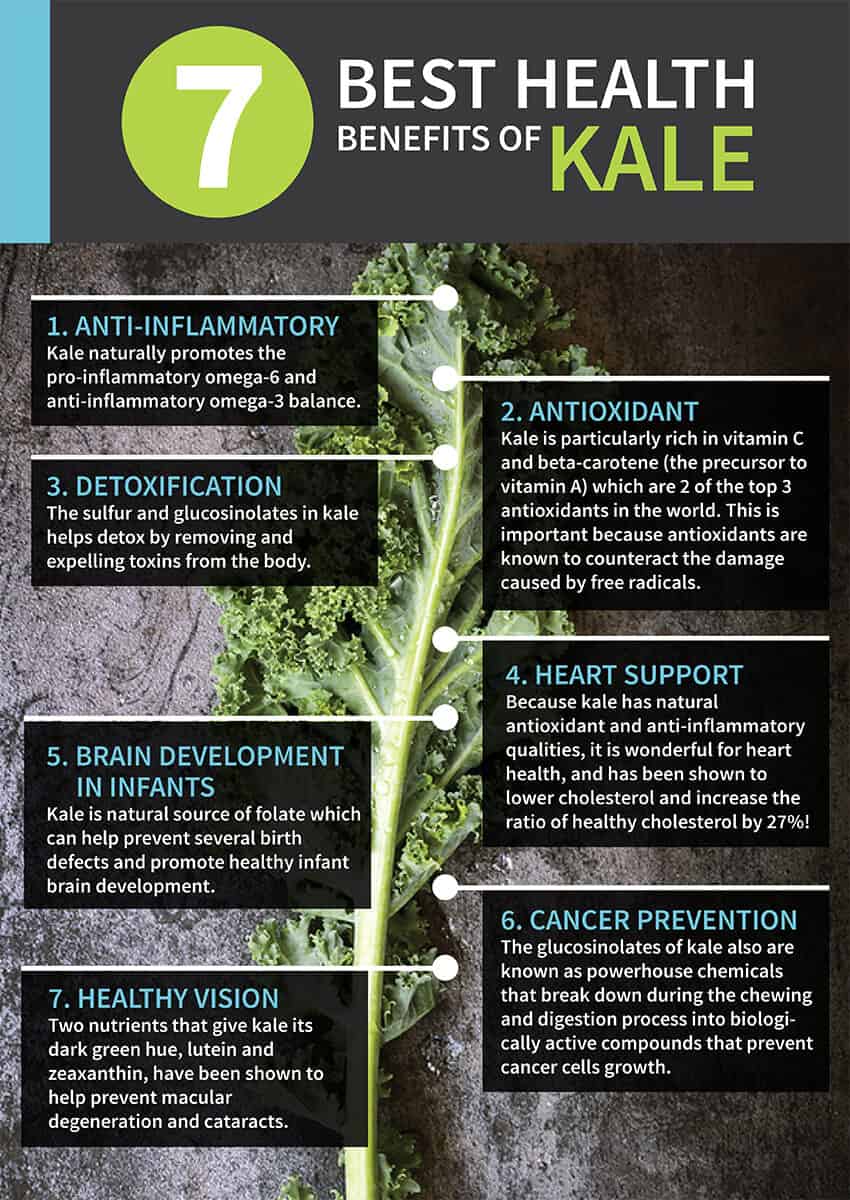
Kale
On the long list of this leafy green's nutrients are vitamin K (it promotes healthy blood clotting, so the blood vessels around the eyes don't leak and cause Walking Dead-like shadows) and loads of iron.

"Insufficient levels of iron in your diet can cause your skin to look pale, making it easier to spot blood vessels under the skin," explained Dr. Howard Murad, associate clinical professor of medicine at UCLA. To max out the benefits, eat the veggie cooked, not raw.

Znalezione obrazy dla zapytania kale benefits


Eggs
Your fingernails (toenails, too) are made of protein, so a deficiency can turn those talons soft. Keep yours thick and mani-pedi-ready by cracking smart: "Eggs are a good source of biotin, a B complex vitamin that metabolizes amino acids, which are the building blocks of protein," said Dr. Frank Lipman, director of Eleven-Eleven Wellness Center in New York City.

Znalezione obrazy dla zapytania eggs benefits

Walnuts
Omega-3 fatty acids (found in the natural oils that keep your hair hydrated) and vitamin E (which helps repair damaged follicles) are two secrets behind strong, lustrous strands—and these nuts are full of both, Lipman said. All you need is 1/4 cup a day. What's more, walnuts are packed with copper, which will help keep your natural color rich: Studies show that being deficient in the mineral may be a factor in going prematurely gray.

Znalezione obrazy dla zapytania walnuts benefits

Avocado
Like you need another reason to love them: These rich fruits are high in oleic acid, an omega-9 fatty acid that helps skin retain moisture in the outer layer to keep it soft, plump and supple, Bowe said.

Znalezione obrazy dla zapytania avocado benefits

Cantaloupe
The sweet melon contains beta carotene, or vitamin A, which is believed to regulate the growth of skin cells on your scalp and sebum in the skin's outer layer, Zeichner said. This keeps pores from getting clogged and causing flakes.

Znalezione obrazy dla zapytania Cantaloupe benefits
http://www.foxnews.com/health/2015/07/11/10-foods-that-make-look-younger.html?utm_source=zergnet.com&utm_medium=referral&utm_campaign=zergnet_1235920