Showing posts with label exercising. Show all posts
Showing posts with label exercising. Show all posts
Wednesday, 1 March 2017

Tuesday, 28 February 2017
7 Reasons Your Thighs Aren't Changing No Matter How Much You Work Out

You've done more squats and leg extensions than you can count, but no matter how hard you try, you just can't firm up your thighs. It might be your genetics—unfortunately, some of us are just born with more fat cells and fewer muscle cells than Jillian Michaels, says Wayne Westcott, PhD, director of exercise research at Quincy College. But even if that's the case, don't kiss the dream of dynamite thighs good-bye. Avoid these 7 common mistakes, and you'll sculpt some gorgeous curves.
1. You're being unrealistic
You can't resize your thighs with just a few workouts. "People think they can go to the gym for 2 weeks and see all the muscles in their legs," says Thrive trainer Sean De Wispelaere, "but it doesn't work like that." If you strength-train your lower body 3 times a week, expect to start seeing changes in about 4 to 6 weeks, he says.
You can't resize your thighs with just a few workouts. "People think they can go to the gym for 2 weeks and see all the muscles in their legs," says Thrive trainer Sean De Wispelaere, "but it doesn't work like that." If you strength-train your lower body 3 times a week, expect to start seeing changes in about 4 to 6 weeks, he says.
2. Your diet isn't very thigh-friendly

"To really change your body, the first thing you need to attack is your nutrition," says De Wispelaere. "Protein, vegetables, fruit, and good fat—if it's not one of those things, don't eat it." Protein is vital: It builds muscle while raising metabolism, so you shed fat faster.
3. You're not doing enough cardio
If you're training your lower body 3 times a week and still not seeing any definition, add some cardio. Don't have enough time to exercise that much? Try spinning—the pedaling tones legs while combusting 420 to 780 calories per hour. (Still feel like you don't have enough time to see results? With Prevention's Fit In 10 DVD, you will lose weight and transform your body—all in just 10 minutes a day!) Another alternative is stair climbing. Walking up any incline spikes heart rate and recruits 25% more muscle fibers than strolling the flats.
If you're training your lower body 3 times a week and still not seeing any definition, add some cardio. Don't have enough time to exercise that much? Try spinning—the pedaling tones legs while combusting 420 to 780 calories per hour. (Still feel like you don't have enough time to see results? With Prevention's Fit In 10 DVD, you will lose weight and transform your body—all in just 10 minutes a day!) Another alternative is stair climbing. Walking up any incline spikes heart rate and recruits 25% more muscle fibers than strolling the flats.
4. You're not doing clockwork lunges
This simple, at-home, no-equipment exercise tones the legs, butt, and thighs, and it's great for getting rid of cellulite. In fact, the older you get, the more important it is to regularly do moves like this one. "As women age, they lose muscle," says Westcott. "As that muscle layer becomes thinner, weaker and less firm, the overlying fat layer loses its stable base, and it crinkles and wrinkles." Result: Your thighs pucker up. Do these lunges like clockwork.
This simple, at-home, no-equipment exercise tones the legs, butt, and thighs, and it's great for getting rid of cellulite. In fact, the older you get, the more important it is to regularly do moves like this one. "As women age, they lose muscle," says Westcott. "As that muscle layer becomes thinner, weaker and less firm, the overlying fat layer loses its stable base, and it crinkles and wrinkles." Result: Your thighs pucker up. Do these lunges like clockwork.
5. You're ignoring the rest of your leg muscles
Most of us—especially walkers, runners, and cyclists—already have well-developed quadriceps muscles. But to get the slim, sculpted leg look you want, don't forget the hamstrings and inner thighs. And it's not just about aesthetics: "If you're not working every muscle equally, you'll tighten your hip flexors and put yourself at risk for knee injuries," says Lauren Boggi, founder of Lithe Method workouts. For the hammies, do glute bridges. For the inner thighs, do these two ballet-inspired moves.
Most of us—especially walkers, runners, and cyclists—already have well-developed quadriceps muscles. But to get the slim, sculpted leg look you want, don't forget the hamstrings and inner thighs. And it's not just about aesthetics: "If you're not working every muscle equally, you'll tighten your hip flexors and put yourself at risk for knee injuries," says Lauren Boggi, founder of Lithe Method workouts. For the hammies, do glute bridges. For the inner thighs, do these two ballet-inspired moves.
6. You're not using enough weight

To really change your muscles, you've got to challenge them. If you're a strength-training newbie, it's okay to start off using just your body weight. "But as soon as 12 reps no longer feels challenging, increase resistance," says fitness expert Larysa DiDio. For squats and lunges, start with 16 pounds (two 8-pound dumbbells) and increase by 2 pounds each week or whenever it begins feeling easy.
7. You're doing the wrong kind of exercise
You can't change your basic body type, but you still have a lot of room for improvement. If you have skinny legs, avoid long-distance running, which breaks down muscle and will make them even more birdlike. "Instead, concentrate on weighted step-ups or spinning to build muscle," says DiDio. But if you've got short legs, too much heavy weight training can make you look even stockier. She recommends doing squats and lunges with just your body weight, and to aim for 12 to 18 reps. Cardio will also help. "But no matter what your body type, everyone should be strength training," she adds.
http://www.prevention.com/fitness/strength-training/workout-mistakes-and-solutions-thinner-thighs
You can't change your basic body type, but you still have a lot of room for improvement. If you have skinny legs, avoid long-distance running, which breaks down muscle and will make them even more birdlike. "Instead, concentrate on weighted step-ups or spinning to build muscle," says DiDio. But if you've got short legs, too much heavy weight training can make you look even stockier. She recommends doing squats and lunges with just your body weight, and to aim for 12 to 18 reps. Cardio will also help. "But no matter what your body type, everyone should be strength training," she adds.
Sunday, 27 November 2016
Why Are Muscles Sore After A Workout?
Explaining the Effects of Delayed Onset Muscle Soreness (DOMS)
We’ve all had those days after an intense workout where all you want to do is curl up into a little ball and never move. Your muscles feel tight, stiff and make getting out of bed feel just plain terrible. So what causes our body to become sore after a workout?
Soreness results when you workout or do physical activity that is greater than normal. It is known that you body’s eccentric muscle contractions, cause more soreness in the days following the workout than either isometric contractions or concentric contractions. Okay, that was a quite the mouthful! So, what do those things even mean? Let’s take a step back for a moment and break it down.
- Eccentric Muscles: The muscles that lengthen when you are lowering a weight for example.
- Isometric Muscles: The muscles that does not change length. For example, like when you are holding a weight.
- Concentric Muscles: The muscles that shorten like when lifting a weight for example.
You’re probably asking “why do your eccentric muscles cause the most pain?” I’ll be getting to this in a moment, first, let me explain more about what you are experiencing. The soreness you are feeling in the days after your intense workout can be referred to asdelayed onset muscle soreness or “DOMS.” Your muscle mass is always being broken down, and is also always being synthesized at some point. When you work out, the stress that you are putting on the muscles activates chemicals that causes your body to build up your muscle tissue. If you feel soreness or the “tearing” as some refer it as, you are noticing one of the signs of this chemical process. There are many other things that affect the way your body responds to physical activity. Some of these include metabolic, hormonal, and dietary changes that function in various ways.

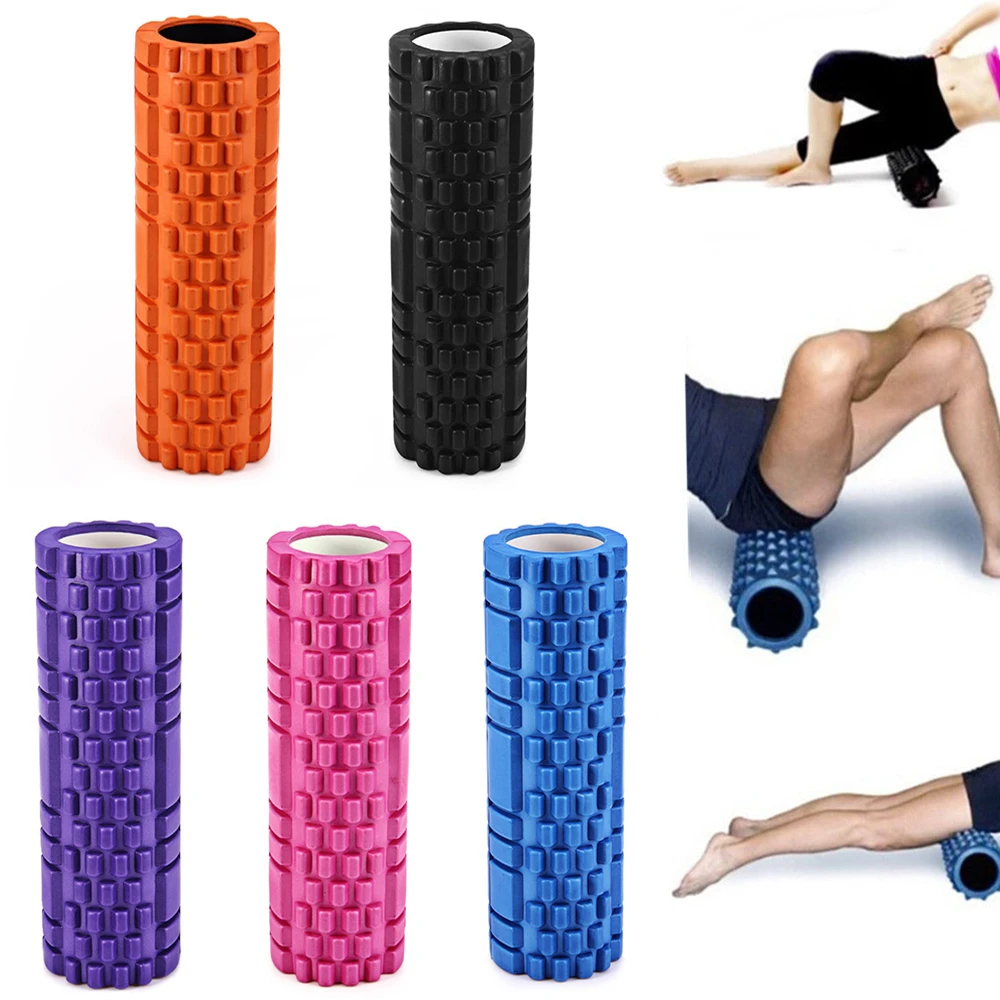
If you’re currently looking for ways to massage your muscles or relax them after an intense workout, I’d suggest checking out the Trigger Point Total Package. With the Trigger Point Kit’s patented design mirroring the feeling of a human hand, you are able to massage almost any part of the body safely and effectively on your own. If you’d like to learn more about this product, click the image on the left or visit the Fitness Town website.
“No Pain, No Gain” Misconceptions.
One of the biggest misconceptions is the saying “no pain, no gain.” Some believe you need to workout until your muscles feel sore or exhausted. I definitely disagree with this belief, I believe you do not need over-do it for them to grow. While working your muscles until they’re achy means you technically did tax your muscles, which helps them get stronger, it’s actually not beneficial in the long run. So why do eccentric muscles hurt more than others? DOMS tends to begin 24 to 48 hours after exercising and you can feel the discomfort peak between 48 to 72 hours. Studies have shown that eccentric muscle activity, which is actively resisting lengthening of the muscle (like raising or lowering a weight), gives the most discomfort. When overworked, DOMS could be due to high tension on muscle fibers and connective tissues which is less common in isometric, concentric, or static tension activity.
Consistency is Key!
At Fitness Town, we believe that keeping active on a daily basis is important. Pushing your muscles past your comfort line on one day means your muscles are going to feel extremely exhausted for days after. This means when you go to workout the following day, you’ll be more likely to skip your routine. I find more often than not that many people struggle with keeping up with their fitness routines overtime. This is why it becomes a very big issue! Why? Well, because when getting back into shape, consistency and determination is key! Personally, I believe it is about developing and learning how to maintain a different lifestyle. It is easier to do this by working out less intensely every day, than to go all out on one day and dread every second of the few following days. Ultimately, if you dread the effects of your workout, you are going to be less motivated to continue on with your fitness goals. If you’re looking for something that will speed up your recovery time and give you that extra “umph,” I suggest looking into PurePharma.
Cons of Over-doing It.
Picture this, you have overdone your previous workout to the point you feel like you’re in a full-body cast. You then decide to lay on the couch while muttering all sorts of “I-hate-exercise” and swear words. Like I said previously, you can’t justify to yourself “I went hard a few days ago so I’ve done my time for the week.” Unfortunately for some, working out requires commitment. You can’t be a couch potato for the following 6 days of the week, that’s like one step forward and two steps back! Your muscles will respond better when they’re being constantly worked which allows them to gradually get used to your workouts. By doing this method, you’ll find that is will prevent your muscles from becoming weak and sore.

How Can You Tell You’re Over-doing It?
So, how can you tell when you’re overdoing your workout? If you are into weightlifting and find yourself starting to shake, twitch, get restless, or numb during your reps, that’s a sign you might be hurtin’ tomorrow! If you do find yourself in this situation, I suggest you step farrrrrr awaaay from the weights. Instead of continuing to workout that area of your body, move on to a different area of your body. As soon as you start feeling noticeably exhausted, I would suggest you end your workout session. This way you ensure that DOMS does not get the best of you and instead, you can workout comfortably the following day or so. Remember, the key to successfully reaching your fitness goals is to…
http://blog.fitnesstown.ca/muscle-soreness
Thursday, 20 October 2016
Q&A 5
A:
QUICK ANSWER
The five components of physical fitness are cardiovascular endurance, muscle strength, muscle endurance, flexibility and body composition. Schools and gyms use the components to measure the level of a person's fitness.

FULL ANSWER
Cardiovascular endurance is associated with the way the heart and lungs work together to provide the body with oxygen. Aerobic exercise, such as swimming or jogging, can help improve a person's cardiovascular endurance.
Muscle strength has to do with the amount of force a muscle can apply in an endeavor. A person can improve muscle strength by engaging in regular strength training exercises, such as weightlifting.
Muscle endurance measures how much continuous action a muscle can perform without exhaustion. Cycling machines, step machines, inclined treadmills, sit-ups and push-ups can test muscle endurance and help improve this component.
Flexibility measures the range of motion a joint has. Stretching the muscles can test how flexible a person is and increase that level.
Body composition is the percentage of fat, bone, water and muscle a person's body contains. The pinch test is performed with a special instrument that measures the fat around a person's waist. Regular exercise and a healthy diet can lessen body fat.
A doctor or personal fitness trainer can help develop a regimen to strengthen a person's physical fitness components.

Monday, 17 October 2016
Q&A 2
A:
QUICK ANSWER
Physical fitness is important as it helps control weight, prevents diseases and illness, improves mood, boosts energy and promotes better sleep. Health and fitness are directly related, and the benefits of physical activity to a person’s overall health are numerous.

FULL ANSWER
Physical fitness has been proven to improve mental, emotional, social and physical health. Physical activity burns calories, which aids in the loss of unhealthy weight. Large amounts of time for intense workouts are not necessary. Simply becoming more active throughout the day makes a difference. For example, take the stairs instead of the elevator, or park further away from the grocery store.
Heart disease is the biggest killer in the United States. Physical activity boosts good cholesterol and decreases unhealthy triglycerides. This encourages healthy blood flow and decreases the risk for cardiovascular disease. Physical fitness can also decrease the risk of stroke, diabetes, depression, cancer and arthritis. Physical activity also stimulates brain chemicals, resulting in a happy, relaxed feeling. It can also boost endurance and deliver oxygen and nutrients to tissues to promote a healthier cardiovascular system. People with efficient heart and lungs have increased energy throughout the day. Physical activity has also helps to promote better and deeper sleep.

Sunday, 16 October 2016
Q&A 1
A:
QUICK ANSWER
Having a healthy lifestyle is important because it helps a person to control weight, boost energy, improve his mood, combat disease and live long, notes Healthline. A person has a healthy lifestyle by exercising regularly, eating right and resting enough, according to Mayo Clinic.

FULL ANSWER
Healthy habits such as eating a low-fat diet and living an active life help a person to maintain a healthy weight or to reduce excess weight. Simple habits such as walking, taking the stairs and eating fruits and vegetables are effective in weight control. An active lifestyle activates brain chemicals that make a person feel relaxed and happy. A healthy lifestyle leads to a better physique, which boosts self-esteem and confidence. Social connections such as joining a club also improve mood, reveals Healthline.
Healthy habits prevent diseases such as high blood pressure, stroke, depression, diabetes, arthritis and certain types of cancer. An active lifestyle also improves muscle strength, which gives a person more energy. Evidence shows that people who walk 30 minutes every day, reduce the risk of dying prematurely.
Exercising enables a person to enjoy the outdoors, unwind and become happy, according to Mayo Clinic. It also allows a person to connect with friends and family. An active lifestyle is more rewarding when people do what make them happy, advises Mayo Clinic. People who have chronic health problems should consult a doctor before engaging in physical activities.
Subscribe to:
Posts (Atom)